
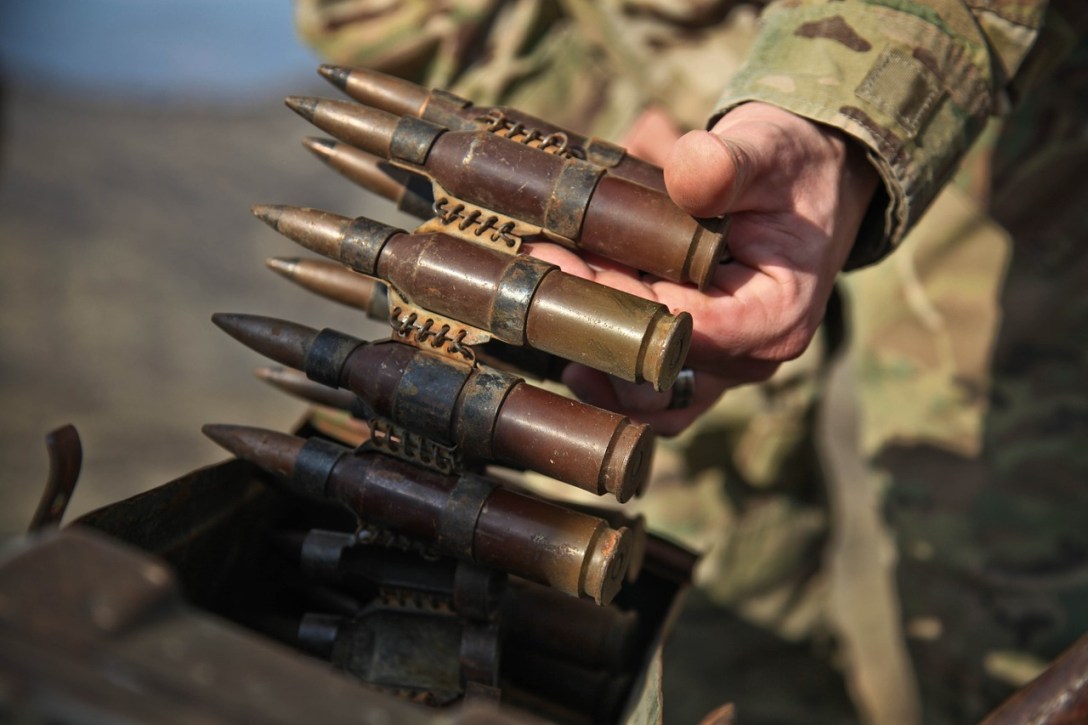
What are Hard Armor Vestments? Hard armor vestments utilize layers of tough, durable materials, including steel, Kevlar, ceramic composites, bullet-resistant fiberglass, and sometimes, exotic materials such as Kevlar. Some vests are laced with soft fabric, such a leather for concealing the operator’s legs or a synthetic material for added comfort. Vests are often worn by law enforcement personnel to protect them from lethal or otherwise hazardous situations, though they’re also becoming more common with civilians in all kinds of situations. The primary function of these protective vests is to add protection against potentially fatal injuries or damage while in combat, but modern Hard Armor Vests are also used for other purposes, as well.
One example is the popular soft armor vest called the M.A.S.S. (ability system Suspension System) which is a very effective bulletproof vest that comes in both military and civilian forms. M.A.S.S. vests are constructed with the comfort and ease of wearing under any circumstances while providing the same amount of protection as traditional vests of higher quality. A.R.S.P.V.E.R., or modular armor system, consists of modular components that can be adjusted for length, thickness, weight, and other aspects such as load distribution or angle of impact.
Another example is the popular H&K direct transfer vest. This vest is popular for its range capability, reliability, and overall performance. The technology behind this vest includes cold welded carbon fiber plates, rigid laminated liners, and high-performance control surfaces that ensure an effective and safe transfer of energy and kinetic energy between the operator and the application. These ranges also include ballistic panels that can be adjusted to protect specific areas of the body, improving its ability to protect from specific threats.

 Ceramic Shield